
Month: June 2025

Pizza Box Sizes Guide Ensures Perfect Storage and Freshness Always

When it comes to enjoying a delicious pizza, one often overlooked yet crucial aspect is the pizza box. Choosing the right pizza box size not only ensures your pizza remains fresh and intact during delivery or storage but also reflects professionalism and care in presentation. A well-fitting box preserves the quality, temperature, and structure of the pizza, whether it is a small personal pie or a party-sized delight. The right box helps maintain freshness by minimizing heat loss and exposure to air, which can quickly lead to sogginess or dryness. Additionally, an appropriately sized box prevents movement inside, reducing the chance of toppings shifting or the crust getting damaged. Pizza boxes typically come in several standard sizes to match common pizza diameters. Small pizza boxes, often 8 to 10 inches wide, are ideal for personal or kids’ pizzas. Medium boxes, usually ranging from 11 to 13 inches, accommodate pizzas meant for two to three people. Large boxes, between 14 and 16 inches, are best for group sharing or hearty appetites. Extra-large boxes, measuring up to 18 inches or more, are designed for party-sized pizzas.
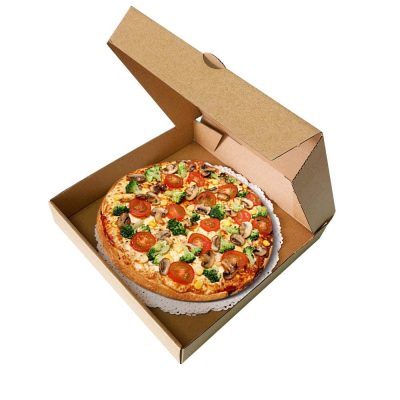
Pizza Box Size

Having these varied sizes on hand allows pizzerias and restaurants to cater to different customer needs without compromising on quality or presentation. It is important to match the box size precisely to the pizza being served; a too-large box can let the pizza slide around, while a box that is too small can crush the crust and trap steam, leading to sogginess. Beyond size, the structure and material of the box also play a key role. Corrugated cardboard is the most common material used, offering strength, insulation, and breathability. The fluted layers in corrugated cardboard create air pockets that help retain heat while allowing excess moisture to escape, keeping the crust crisp. Some advanced pizza box size even include ventilation holes or moisture-resistant linings to enhance freshness further. For delivery services, investing in sturdy, well-ventilated boxes can reduce complaints and improve customer satisfaction by ensuring the pizza arrives hot, crispy, and intact.

In addition to functionality, pizza box sizing also affects storage efficiency for both vendors and consumers. For businesses, properly stacked boxes in consistent sizes optimize space in storage areas and streamline the packing process. For customers, a right-sized box fits better in refrigerators when saving leftovers and can be more convenient for reheating. Oversized boxes can be a hassle to store and may require more energy to reheat the contents evenly. Follow on yoonpak range of pizza box sizes balances presentation and practicality. On the other hand, custom or uniquely sized boxes may enhance branding but should be designed carefully to maintain these practical benefits. Ultimately, choosing the correct pizza box size is more than just a packaging decision it is a commitment to product quality and customer experience. It combines functionality, efficiency, and presentation into one essential detail that defines how the final product is perceived and enjoyed. Whether you are a pizzeria owner looking to enhance delivery quality or a customer wanting to store leftovers properly, understanding the guide to pizza box sizes ensures your pizza stays fresh, crisp, and delicious every time.
Stand Out with Shop Shelving Concepts That Prioritize Form, Function, and Flow

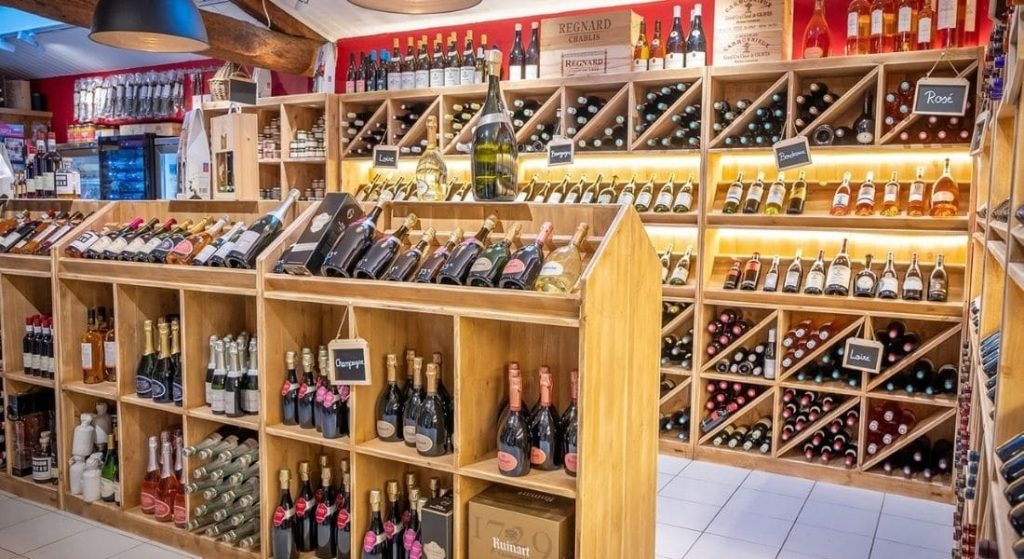
Creating an inviting retail space that captures attention while ensuring seamless shopping experiences hinges on effective shop shelving concepts. Retailers looking to stand out must embrace shelving designs that prioritize form, function, and flow three critical elements that not only influence a store’s aesthetics but also determine its operational efficiency and customer satisfaction. Shelving is more than just a means to display products it is a strategic tool that supports branding, maximizes space, and guides the customer journey from entry to purchase. Form in shelving speaks to the visual appeal and alignment with brand identity. Every store has a story to tell, and the design of the shelves should reflect that narrative. Whether a retailer operates a boutique clothing store, a modern electronics shop, or an artisanal grocery, the form of the shelving must match the tone. Sleek, minimalist shelves with clean lines suit tech environments, while rustic wooden units might appeal to organic or handmade brands. Creative designs, such as floating shelves, geometric arrangements, or feature-end caps, not only draw the eye but also convey professionalism and care in presentation.

Well-crafted shelving reinforces the retailer’s image and creates a sense of trust and quality in the minds of consumers. Functionality, meanwhile, ensures that the shelving meets the practical demands of the business. It must be sturdy, adaptable, and accessible, catering to different product shapes and sizes while maintaining ease of use for both staff and customers. Zhsunyco shelving systems are ideal for changing inventories and promotional layouts. Units with integrated lighting can enhance product visibility, particularly in dimly lit spaces or to highlight featured items. Moreover, incorporating storage beneath display levels can help reduce clutter and streamline restocking processes. Function-focused shelving should simplify maintenance and promote a smooth daily operation, enhancing productivity without compromising design. Equally important is flow the layout of the shelving must facilitate a logical and intuitive shopping path. Poorly arranged shelves can create bottlenecks or confusion, leading to a frustrating experience and potentially lost sales. Thoughtful spacing between units ensures comfortable movement, while guiding displays subtly encourage exploration throughout the store.

When thoughtfully designed with exquisite materials, refined lighting, custom craftsmanship, and a strategic layout, shelving becomes a powerful tool that elevates merchandise presentation and reinforces the sophisticated narrative that luxury brands strive to communicate. Strategic product placement, such as positioning high-margin items at eye level or near checkout areas, can influence buyer decisions and increase revenue. By aligning shelf orientation with natural customer behavior, retailers can steer traffic smoothly, encouraging longer visits and more frequent purchases. Ultimately, shop shelving that balances form, function, and flow offers a competitive edge in today’s crowded retail landscape. It transforms a store from a mere place of transaction into an immersive brand experience. Customers are more likely to return to and recommend a space that feels cohesive, efficient, and inspiring. By investing in shop shelving ideas, retailers can showcase their products to maximum effect, reinforce their brand identity, and foster a positive shopping atmosphere that supports both immediate sales and long-term loyalty.