
The Pre-Owned Luxury Watch Sweet Spot: The Models That Actually Deliver
Buy pre-owned and you’re not “settling.” You’re opting out of retail theater.
The sweet spot is simple to describe and annoyingly hard to shop: you want an iconic design, a movement that any competent watchmaker can service without begging Switzerland for parts, and a model that won’t crater in value the second you strap it on. That intersection exists. It’s just not always the watch people brag about online.
One-line truth: condition and serviceability beat hype almost every time.
Hot take: if parts are scarce, it’s not a “collectible”, it’s a liability.
I know, I know. Some rare references *do* appreciate. But most buyers don’t have the time, connections, or patience to hunt down period-correct hands or a discontinued crown tube six months after purchase. I’ve seen “great deals” turn into expensive shelf pieces because one proprietary component failed and the brand stopped supporting the reference.
Here’s the thing: the best value watches are boring in the best way. They’ve been around long enough to have a paper trail, market pricing, service norms, common failure points, and a healthy ecosystem of parts and independent expertise. That’s especially true in the world of luxury watches, where long-term serviceability often matters more than hype.
The real value equation (not the Instagram version)
Pre-owned value isn’t just “buy low.” It’s:
– Purchase price
– Service + repair probability
– Parts availability
– Liquidity (how quickly you can sell without discounting into oblivion)
– Configuration correctness (original dial/hands/bracelet, matching serials, etc.)
And yes, “box and papers” matter… but not like people claim. They matter most for models that get faked heavily or that buyers treat like tradable commodities.
Where the sweet spot actually lives: sport, dress, and daily drivers
Sport watches: built to be used, priced to be traded
Sport models earn their keep when they’re tough, legible, and predictable to own. That usually means mainstream references with lots of production volume and decades of service knowledge behind them.
I’m opinionated here: the best sport-watch values are *not* the rarest ones. They’re the ones everyone recognizes, everyone can authenticate, and everyone can service.
What to look for in practice:
– Sharp case geometry (over-polishing is the silent killer of value)
– Bezel condition and alignment
– Evidence of water resistance upkeep (gaskets, crown service)
– Common calibers with plentiful parts
Short section, but it matters: if a diver hasn’t been pressure-tested recently, assume it’s not water-resistant until proven otherwise.
Dress watches: the sneaky value trap (and opportunity)
Dress pieces can be incredible buys because demand is softer than it used to be. The catch is that dress watches expose sloppy refinishing and dial damage instantly. A sport watch can wear a few scars and still look “tool-ish.” A dress watch just looks tired.
This category rewards restraint. Clean dials. Honest cases. Modest sizes that haven’t been “modernized” with heavy polishing. If you want the most watch for the money, you often get it here, provided you’re picky.
Everyday wear: the best category for normal humans
Daily wear models are where you can optimize for comfort, durability, and low ownership stress. Think watches that can live on the wrist: errands, desk, weekend, travel.
The value driver nobody talks about: bracelets. A stretched bracelet or worn clasp can turn a “good deal” into a parts hunt (and replacement bracelets can cost a small fortune).
A quick stat, because data beats vibes
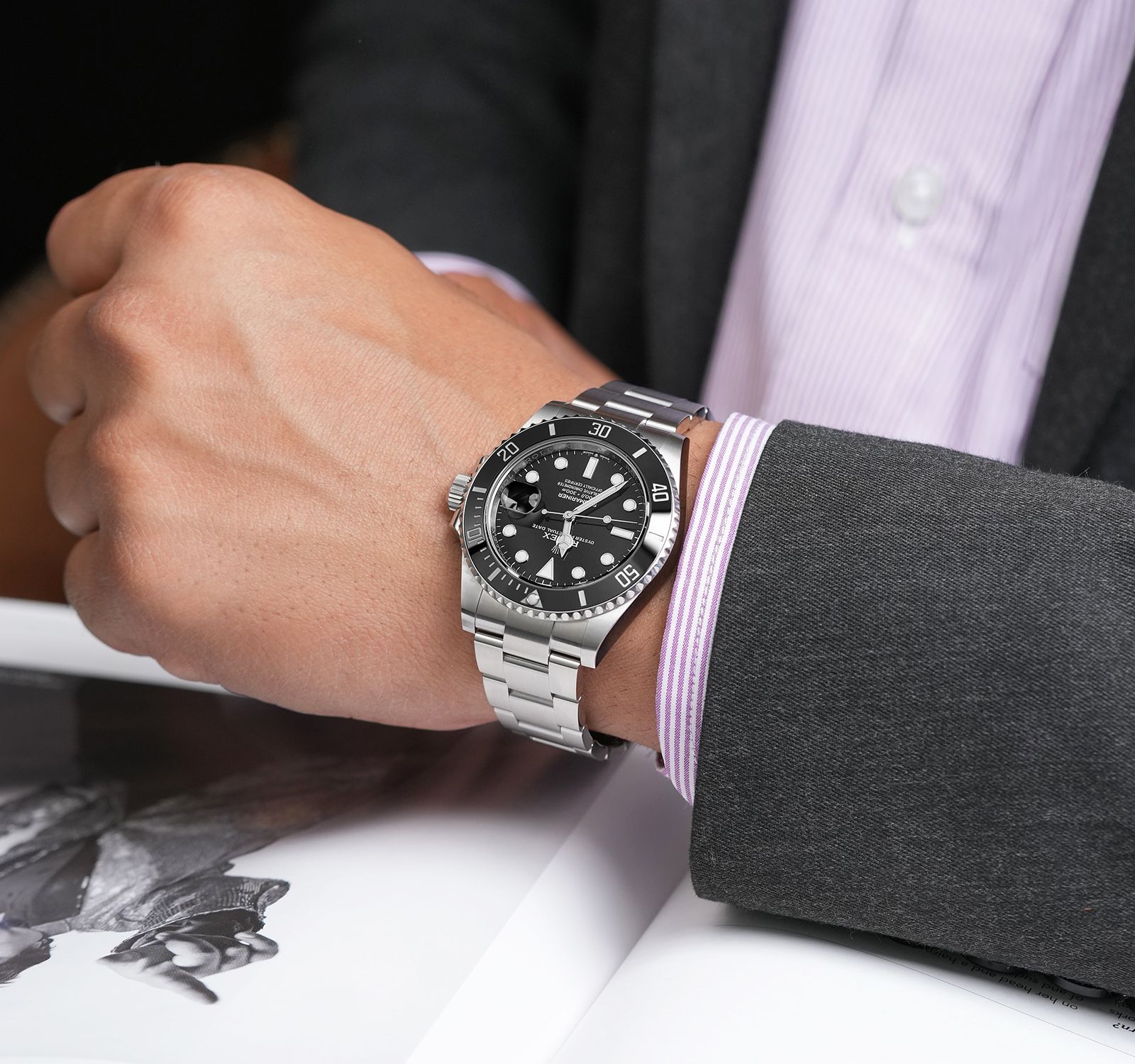
Rolex sports models (as a category) have historically shown strong value retention on the secondary market compared to many peers, driven by high liquidity and demand depth. One widely cited reference point is the Rolex Submariner’s consistent performance in secondary pricing trends, tracked by marketplaces like Chrono24’s market insights and published analyses of resale behavior. Source: Chrono24 Market Insights (secondary-market trend reporting): https://www.chrono24.com/about-us/market-insights.htm
Now, that doesn’t mean “buy any Rolex and win.” It means the market is deep, so mistakes are easier to recover from.
The buying framework I actually use (and recommend)
Forget romantic narratives for a minute. When you’re evaluating a pre-owned watch, run this mental checklist:
1) Condition: the stuff you can’t un-see later
Check the obvious, then check what the obvious hides.
– Case: Are edges crisp or melted? Polishing isn’t evil, but excessive polishing is permanent.
– Dial: Look for moisture damage, re-lume, sloppy printing, and mismatched patina.
– Hands: Corrosion, incorrect length, wrong style for the reference.
– Crystal: Chips at the edge are a red flag for impacts.
– Crown/tube: If winding feels gritty or loose, budget for work.
Now, this won’t apply to everyone, but if you’re new: avoid “project” watches. They’re fun only after you know how expensive fun can get.
2) Authenticity: boring process, big payoff
You want reference numbers, serial consistency, correct engravings, and movement verification when possible. Frankenwatches aren’t always “fake”, they’re worse. They’re *unmarketable*.
If the seller gets cagey about movement photos or won’t discuss service history, that’s information.
3) Service history: receipts beat promises
A claimed service without documentation is just a story. What you want:
– Date of last full service
– Who did it (brand, authorized, reputable independent)
– What was replaced (especially dial/hands/bezel inserts on collectible models)
– Pressure test results for water-rated watches
If service is unknown, price in a full service. Don’t negotiate with physics.
“But which models are the sweet spot?” (A grounded answer)
Instead of tossing out a hype-list, I’ll tell you the pattern that tends to outperform:
Choose references that are:
– Produced in meaningful numbers (liquid market, lots of comparables)
– Powered by movements with long-term parts support
– Popular enough to be easy to resell, not so hot that you overpay
– Stable in design (iconic silhouette, not a trend-piece)
That’s why you’ll see consistent value in well-known lines from Rolex, Omega, Tudor, Cartier, and Grand Seiko, *when you buy the right example*. A clean, correctly-configured watch from a “lesser” brand often beats a compromised example from a “bigger” one.
I’d rather own an honest, well-serviced piece with a lightly worn case than a “mint-looking” watch with a mystery dial and a seller who talks like a salesperson.
How to protect resale and longevity without babying the watch
Wear it. Just don’t abuse it.
Keep a file (digital is fine) with:
– Service receipts
– Timing results if you have them
– Pressure test records for divers
– High-res photos from the day you bought it
Avoid unnecessary polishing. Replace worn straps, sure, but keep originals if they’re branded or model-correct. And if you modify anything, be realistic: mods rarely add value, even when they “improve” the watch (you’re narrowing the buyer pool).
When you sell, disclose everything. The fastest way to lose money is to create distrust.
The sweet spot isn’t a single watch. It’s a mindset.
Buy the watch that has an exit door.
If you can service it easily, verify it confidently, and sell it without begging for a buyer, you’re in the sweet spot. Everything else is just noise, expensive noise, sometimes beautifully made.