
Relay troubleshooting with a multimeter is a practical and efficient way to identify electrical issues in automotive, industrial, and home systems. A relay acts as an electrically operated switch, and when it fails, devices may stop working or behave inconsistently. Using a multimeter helps detect faults quickly, saving time and improving system reliability. This guide explains how to test and diagnose relays step by step in a safe and simple manner. Accurate how to test relay with multimeter methods improve system reliability.
Understanding Relay Basics
- A relay is an electromechanical switch used to control high power circuits with low power signals.
- It consists of a coil, contacts, and an armature that moves when energized.
- Proper functioning ensures safe and efficient electrical switching.
- Failure can result from coil damage, contact wear, or overheating.
Essential Tools and Safety Tips
- Use a digital multimeter set to resistance and continuity modes for accurate testing.
- Always disconnect power before testing to prevent electric shock or damage.
- Inspect relay terminals for dirt, corrosion, or loose connections before measurement.
- Wear protective gear and ensure a stable work environment for safety.
Step-by-Step Troubleshooting Process
- Check coil resistance using multimeter.
- Test continuity of contacts.
- Apply rated voltage to observe switching.
- Verify output stability under load conditions.
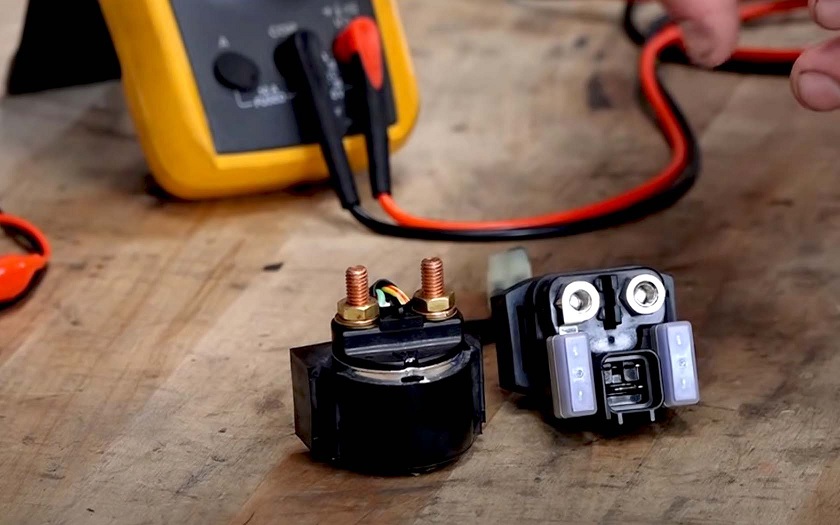
Relay testing becomes more effective when each step is followed carefully. Begin by identifying the relay terminals and consulting its basic layout. Measure coil resistance to confirm it falls within expected limits. If readings are too high or too low, the coil may be faulty. Next, test continuity across contacts while the relay is inactive and active. A proper click sound and continuity change indicate correct switching behavior. Finally, apply voltage to ensure the relay performs reliably under real operating conditions.
Common Relay Issues and Fixes
- Coil failure leads to no switching response.
- Pitted contacts cause intermittent operation.
- Loose wiring results in unstable performance.
- Overheating may indicate excessive current flow.
Regular inspection helps prevent these issues before they affect system performance. Cleaning terminals, securing connections, and ensuring proper load handling can significantly improve relay lifespan and efficiency.
Conclusion
Regular relay troubleshooting with a multimeter enhances system safety, improves performance, and extends equipment life by ensuring early detection of faults and maintaining reliable electrical operation.