Weatherproof Wonder – Ensure Your Event’s Success with Tent Options
When planning an outdoor event, one of the most critical considerations is ensuring that guests are shielded from the unpredictable elements. Rain or shine, a well-selected tent can make all the difference between a successful occasion and a damp disaster. With a plethora of tent options available, event organizers can tailor their choice to suit the specific needs and aesthetic of their gathering. For those aiming for elegance combined with practicality, a frame tent offers a versatile solution. With its sturdy aluminum frame supporting the structure, this type of tent eliminates the need for center poles, maximizing space and facilitating unobstructed views within. Frame tents are highly customizable, allowing for various configurations to accommodate different layouts and guest capacities. Whether hosting a wedding reception, corporate gala, or outdoor festival, the sleek lines and clean design of a frame tent ensure a sophisticated ambiance while providing reliable protection from the elements. In scenarios where flexibility and rapid setup are paramount, pop-up tents emerge as a convenient choice.
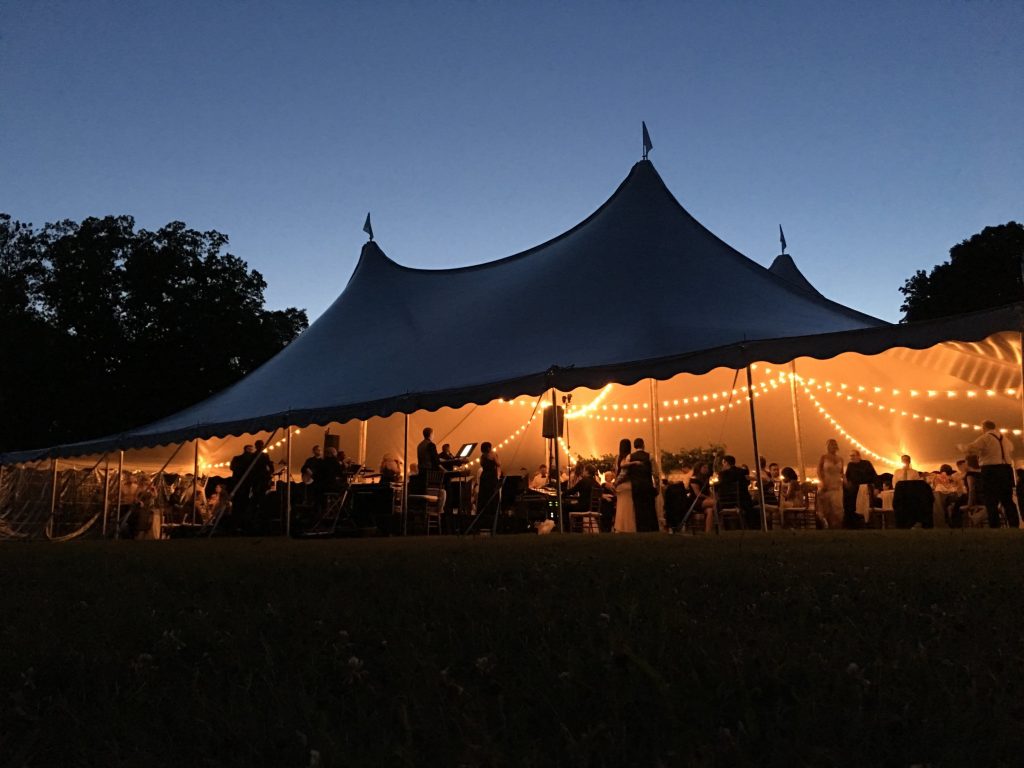
Designed for easy assembly without the need for tools or specialized expertise, these tents can be swiftly deployed to provide shelter wherever and whenever needed. Popular at outdoor markets, trade shows, and sporting events, pop-up tents offer a hassle-free solution for vendors and organizers alike. Despite their simple setup, modern pop-up tents are engineered to withstand adverse weather conditions, featuring durable materials and reinforced construction to ensure stability and longevity. For events characterized by rustic charm and a connection to nature, pole tents evoke a sense of nostalgia while offering practical shelter. Supported by center poles and guy ropes anchored to the ground, these tents exude a classic elegance reminiscent of traditional circus marquees and fairground pavilions. With their high peaks and sweeping lines, pole tents create a visually striking focal point for outdoor gatherings, making them a popular choice for weddings, garden parties, and music festivals. While requiring more extensive setup compared to frame or pop-up tents, pole tents reward organizers with timeless aesthetics and a sense of whimsy that resonates with guests.
In cases where large-scale coverage is required, such as concerts, expos, or corporate functions, clear span tents provide an expansive and customizable solution. Supported by a robust aluminum framework, these structures can span significant distances without the need for interior support columns, maximizing usable space and facilitating elaborate event designs. Clear span tents offer unparalleled versatility, allowing for the integration of features like climate control, lighting, and audiovisual equipment to create immersive experiences tailored to the occasion. With their translucent fabric panels, clear span tents invite natural light to filter through during the day while providing a captivating backdrop for evening events when illuminated from within השכרת אוהלים. Ultimately, the success of any outdoor event hinges on thoughtful planning and meticulous attention to detail. By selecting the right tent option to suit the specific requirements and ambiance of the occasion, organizers can ensure that guests remain comfortable and engaged regardless of the weather conditions outside. Whether opting for the understated sophistication of a frame tent, the convenience of a pop-up tent, the timeless charm of a pole tent, or the expansive versatility of a clear span tent, investing in quality shelter is an indispensable component of event planning that guarantees a memorable and enjoyable experience for all involved.