
First aid kits play an important role in supporting safety, preparedness, and peace of mind during unexpected situations. Different kits are designed for different levels of care, making it helpful to understand how personal and advanced first aid kits compare. Choosing the right option depends on lifestyle, activities, and the level of medical support that may be required.
What Is a Personal First Aid Kit?
A personal first aid kit is a compact collection of basic medical supplies intended for minor injuries and everyday emergencies. These kits are lightweight, portable, and easy to store in small spaces.
Common items found in personal kits include:
- Adhesive bandages
- Antiseptic wipes
- Gauze pads
- Medical tape
- Small scissors
- Pain relief tablets
- Cotton swabs
- Disposable gloves
Benefits of Personal First Aid Kits
Personal kits are ideal for daily convenience and quick response to minor incidents.
Advantages include:
- Easy to carry during travel or outdoor activities
- Simple organization of essential supplies
- Helpful for cuts, scrapes, and small burns
- Suitable for beginners with limited medical knowledge
- Fits easily in backpacks, cars, or drawers
These kits are especially useful for individuals who want reliable support for everyday situations without carrying bulky equipment.
Understanding Advanced First Aid Kits
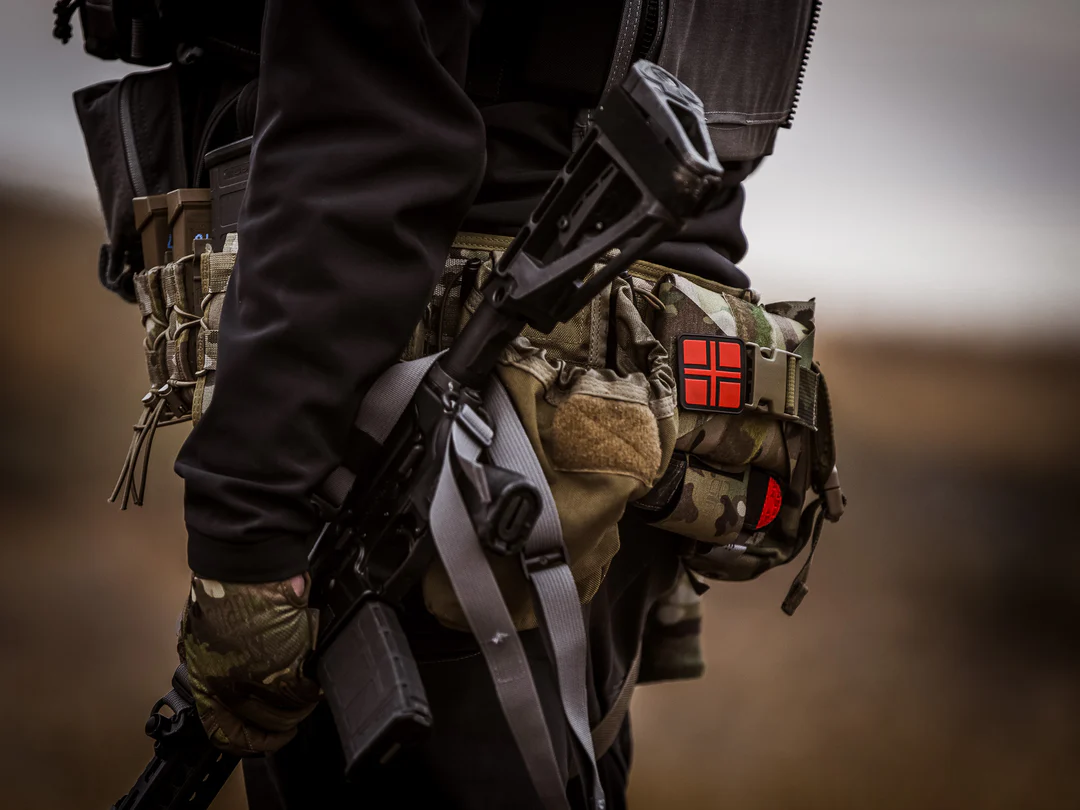
Advanced first aid kits contain a wider range of medical tools and supplies designed for more serious injuries or extended emergency care. These kits are ifak vs afak larger and often include equipment intended for people with additional first aid knowledge or training.
Supplies often included in advanced kits:
- Trauma dressings
- Elastic compression bandages
- Emergency blankets
- Splints
- Burn care materials
- Eye wash solutions
- CPR support items
- Advanced wound closure supplies
Advantages of Advanced First Aid Kits
Advanced kits provide broader emergency support and greater preparedness.
Key benefits include:
- Better coverage for larger injuries
- Improved organization for multiple medical situations
- Useful for group activities and long trips
- Increased readiness during outdoor adventures
- Helpful for workplaces or larger households
These kids can offer confidence in situations where additional supplies may become necessary.
Factors to Consider Before Choosing
Selecting the right kit becomes easier when personal needs and environments are carefully considered.
Think About Daily Activities
A compact personal kit may be enough for routine activities and short outings. Advanced kits are often better for demanding activities or locations where medical assistance may not be immediately available.
Consider Storage and Portability
Personal kits are smaller and easier to transport. Advanced kits require more storage space but provide a greater variety of supplies.
Evaluate Skill Level
Basic kits are simple to use and suitable for most people. Advanced kits may contain specialized items that work best with some first aid knowledge or training.
Plan for Family or Group Use
A personal kit may support one or two people, while advanced kits are often designed to assist larger groups during emergencies.
Making the Best Decision
Both personal and advanced first aid kits provide valuable support and encourage better preparedness. The ideal choice depends on expected use, comfort level, and the type of activities involved.
A personal kit is often best for:
- Everyday convenience
- Minor injuries
- Quick travel use
- Simple emergency preparedness
An advanced kit may be better for:
- Outdoor adventures
- Larger families
- Extended trips
- Higher levels of emergency readiness
Choosing the right first aid kit can improve confidence, promote safety, and help individuals respond more effectively when unexpected situations arise.
Safe and Practical Ways to Handle Minor Injuries
Minor injuries can happen during daily activities, outdoor tasks, exercise, or household work. Quick and careful action can support comfort, reduce irritation, and encourage proper recovery. Using safe methods and staying calm often makes a noticeable difference when treating small injuries at home.
Stay Calm and Assess the Situation
The first step is to carefully examine the injury before taking action. A calm response helps prevent unnecessary stress and allows better decisions.
- Check the size and depth of the injury
- Look for dirt, swelling, or redness
- Make sure bleeding is mild and manageable
- Confirm that movement around the injured area feels normal
- Watch for signs of discomfort that continue to increase
A careful assessment helps determine whether basic care is enough or if professional attention may eventually be needed.
Clean the Area Properly
Keeping the injured area clean is one of the safest and most effective practices.
Gentle Cleaning Steps
- Wash hands thoroughly before touching the injury
- Use clean water to rinse away dust or debris
- Pat the area dry with a soft, clean cloth
- Avoid rubbing the skin harshly
- Remove visible dirt carefully and slowly
Clean skin supports a healthier recovery process and lowers the chance of irritation.
Control Minor Bleeding Safely
Small cuts and scrapes may bleed briefly. Light pressure is usually enough to control it.
Helpful Actions
- Apply gentle pressure using clean material
- Keep the injured area elevated when possible
- Remain patient and avoid repeated checking
- Replace damp coverings with fresh ones if necessary
Most mild bleeding slows naturally after a short period when proper pressure is applied.
Protect the Injury during Recovery
Protection helps prevent further irritation and supports comfort throughout healing.
Useful Protective Measures
- Cover the injury with a clean dressing
- Change coverings regularly to maintain cleanliness
- Keep the area dry when possible
- Avoid scratching or picking at healing skin
- Wear loose and comfortable clothing around the injury
Simple protection can help the skin recover more smoothly and comfortably.
Reduce Swelling and Discomfort
Minor bumps, bruises, and strains may cause temporary swelling or tenderness.
Practical Relief Methods
- Rest the affected area when possible
- Use a cool compress for short periods
- Keep movements gentle and controlled
- Avoid placing pressure on sore areas
- Stay hydrated and allow time for recovery
Rest and gentle care often help the body recover naturally.
Maintain Good Hygiene Habits
Healthy hygiene habits play an important role during the healing process.
- Wash hands before changing coverings
- Use fresh materials each time
- Keep shared surfaces clean
- Avoid touching the injury unnecessarily
- Store care supplies in a dry and clean place
Consistent hygiene supports safer recovery and helps maintain comfort.
Watch for Signs That Need Extra Attention
Although most minor injuries improve steadily, it is important to stay observant.
Signs to Monitor
- Increased redness or swelling
- Ongoing pain that worsens
- Warmth around the injured area
- Persistent bleeding
- Difficulty moving the affected body part
Early attention to unusual symptoms can help prevent complications.
Encourage Safe Daily Habits
Preventing injuries is always beneficial. Simple precautions can reduce the likelihood of small accidents.
- Wear proper protective gear during physical tasks
- Keep floors and walkways clear
- Use tools carefully and responsibly
- Stay attentive during exercise or outdoor activities
- Keep basic care supplies easy to access
Safe and practical injury care combines cleanliness, patience, protection, and awareness. Small actions performed correctly can support comfort, encourage healing, and help maintain confidence during recovery.